

Call us now
07315127394

 Send Inquiry
Woven Wire Mesh
Price 140 INR/ Square Feet
Woven Wire Mesh Specification
- Length
- 15 to 30 Meter (customizable)
- Surface Treatment
- Galvanized, PVC Coated, Uncoated
- Wire Gauge
- 10 to 32 SWG
- Aperture
- 0.5 mm to 20 mm
- Hole Shape
- Square
- Product Type
- Woven Wire Mesh
- Mesh Type
- Wire Mesh
- Mesh Style
- Woven Mesh
- Material
- Stainless Steel, Mild Steel, Galvanized Iron, Brass
- Alloy
- Available in SS 304, SS 316, and other alloys
- Application
- Filtration, Screening, Fencing, Sieving, Construction, Industrial Separation
- Dimensions
- Custom sizes available, Standard width: 1 m to 2 m
- Wire Diameter
- 0.25 mm to 6 mm
- Weight
- Lightweight to Heavy Duty (depends on gauge and material)
- Color
- Silver, Black, Green (custom on request)
- Corrosion Resistance
- Excellent (for SS and GI)
- Pattern
- Plain Weave, Twill Weave, Dutch Weave
- Grade
- SS316, SS304, GI, MS, Brass per requirement
- Edge Type
- Plain, Welded, or Clipped
- Mesh Count
- 1 mesh to 100 mesh
- Packing Type
- Rolls or Cut Pieces
- MOQ
- As per size and mesh specification
- Tensile Strength
- High Strength (per IS standards)
- Operating Temperature
- -50C to 600C (material dependant)
Woven Wire Mesh Trade Information
- Minimum Order Quantity
- 100 Square Feet
- Payment Terms
- Cash in Advance (CID)
- Supply Ability
- 5000 Per Month
- Delivery Time
- 7 Days
- Main Domestic Market
- All India
About Woven Wire Mesh
Owing to our rich industrial experience, we have been a renowned manufacturer of Woven Wire Mesh in the market. It is fabricated using qualitative raw material in the production process. We can also customize Woven Wire Mesh as per the market requirement keeping in mind features such as durability, high performance and corrosion resistance. It finds application in food, chemical, mining pharmaceutical, paint, paper, rubber industries etc.
Superior Material Selection
Choose from a range of premium alloys such as Stainless Steel (SS304, SS316), Galvanized Iron, Mild Steel, or Brass to meet your specific needs. Each material offers outstanding benefits, with SS and GI meshes excelling in corrosion resistance. Customized alloys and finishes-galvanized, PVC-coated, or uncoated-are available to ensure optimal performance in any environment.
Versatile Weaving Patterns
Select the ideal mesh structure with options including Plain Weave, Twill Weave, and Dutch Weave. These patterns affect mesh strength, filtration efficiency, and durability, allowing you to match the mesh to its intended task, whether delicate filtration or robust industrial separation.
Customizable for Every Application
Woven Wire Mesh is adaptable in aperture size (0.5mm-20mm), wire gauge (10-32 SWG), and dimensions (width 1-2m, length 15-30m, customized to requirement). Suitable for lightweight or heavy-duty uses, it serves industries spanning construction, food processing, chemical production, and agriculture, thanks to its easy tailoring to any specification.
FAQ's of Woven Wire Mesh:
Q: How is the appropriate mesh count and aperture size selected for my application?
A: Mesh count and aperture size should be determined by the specific use-fine filtration, for instance, requires a high mesh count and small aperture, whereas fencing or screening may need lower mesh counts with larger openings. Our experts can guide you to the best choice based on your application requirements.Q: What are the main benefits of using SS316 and SS304 woven wire mesh?
A: SS316 and SS304 meshes offer exceptional corrosion resistance, high tensile strength, and resilience to extreme temperatures, making them ideal for demanding environments. SS316, in particular, performs better in highly corrosive settings, such as marine or chemical industries.Q: When should I choose plain, welded, or clipped edge types?
A: The edge type depends on installation and end-use. Plain edges are standard for most applications, welded edges provide extra strength and stability for structural uses, and clipped edges offer smoothness and safety, especially on exposed edges.Q: Where can the woven wire mesh be used effectively?
A: Woven wire meshes are widely used in diverse sectors like construction, industrial filtration, fencing, sieving, food processing, and separation. Their flexibility in material and design allows them to adapt to both heavy-duty and precision applications.Q: What is the manufacturing process for woven wire mesh?
A: Woven wire mesh is made by interlacing longitudinal and cross wires in specified weaving patterns (plain, twill, or Dutch) on precision looms. Surface treatments like galvanizing or PVC coating can be applied as per specification to enhance durability.Q: How does surface treatment impact the performance of the wire mesh?
A: Surface treatments such as galvanizing or PVC coating enhance the mesh's resistance to corrosion, chemical attack, and mechanical wear, extending service life and maintaining performance in demanding or outdoor environments.Q: What are the packing and delivery options for woven wire mesh?
A: Wire mesh can be supplied in standard rolls (15-30 meters) or cut pieces, packed as per customer specification. Packing is designed to prevent damage during transport, and minimum order quantities (MOQ) depend on mesh size and type requested.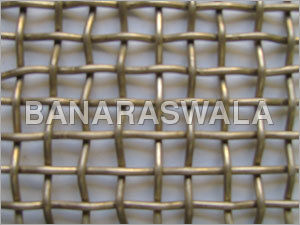
Tell us about your requirement

Price:
Quantity
Select Unit
- 50
- 100
- 200
- 250
- 500
- 1000+
Additional detail
Mobile number
Email

More Products in Wire Mesh Category
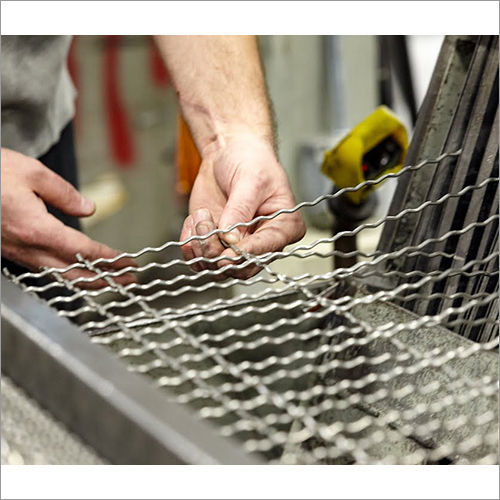
Industrial Woven Wire Mesh
Price 140 INR / Square Feet
Minimum Order Quantity : 100
Dimensions : Customized
Color : Silver
Hole Shape : Other , Square
Alloy : Available in SS 304, SS 316, GI, MS
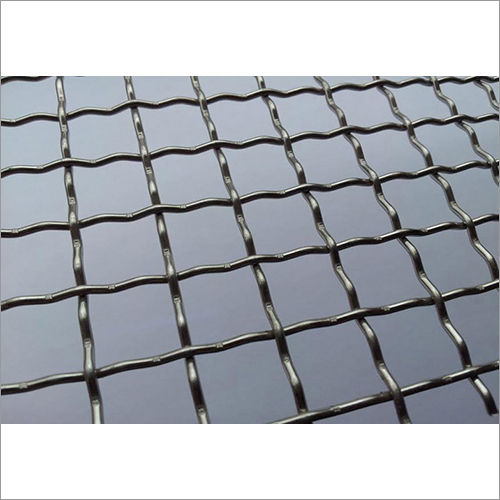
Stainless Steel Wire Mesh
Price 200 INR / Square Feet
Minimum Order Quantity : 100
Dimensions : 1 m to 2 m width, length as specified
Color : Silver
Hole Shape : Other , Square
Alloy : 304, 316, 316L
Crimped Wire Mesh
Price 100 INR / Square Foot
Minimum Order Quantity : 100
Dimensions : As per requirement
Color : Silver
Hole Shape : Other , Square
Alloy : Available in Stainless Steel and options
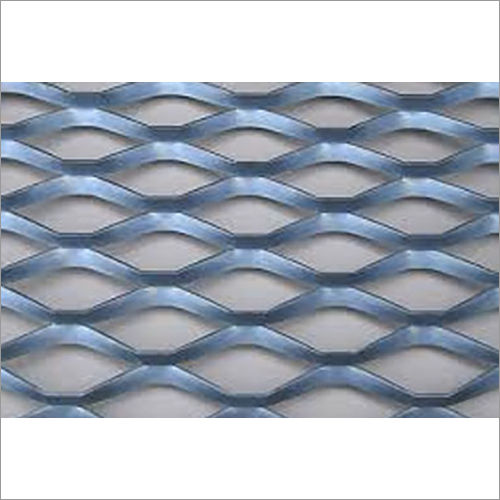
Expanded Metal Wire Mesh
Price 60 INR / Square Foot
Minimum Order Quantity : 100
Dimensions : Width: 0.5 m to 2.44 m, Length: up to 30 m (customized)
Color : Silver, Green, or as required
Hole Shape : Other , Diamond
Alloy : Available in standard and alloy grades

GST : 29AAICB2882N1Z0
B No. - 20, Nandagokula Indl. Layout, Near Manjushree Garments, Thigalarapalya Main Road, Bengaluru - 560058, Karnataka, India
Phone :07315127394

 Send Inquiry
- Chain Link Fence
- GI Barbed Wire
- MS And Aluminum Perforated Sheets
- Carbon Steel Sheets
- Perforated Sheet
- Stainless Steel Perforated Sheets
- Perforated Metal Sheet
- Barbed Wire
- Crimped Mesh
- Expanded Metal Mesh
- GI Wire Mesh
- Mosquito Mesh
- Mosquito Net
- Stainless Steel Wire Mesh
- Welded Wire Mesh
- Wire Mesh
- Stainless Steel Vibrating Screen Cloth
- Stone Crusher Screen
- Fibre Mesh
- Vibrating Screen
- PVC Fencing
- Vibrating Wire Mesh Screen
- Stone Crusher Wiremesh Screen
- Brass Wire Mesh
- Expanded Metal
- Demister Pads
- Woven Wire Mesh
- Vibrating Screen Mesh
 Send Inquiry
 Call Me Free
Banaraswala Wire Crafts Pvt Ltd
All Rights Reserved.(Terms of Use)
Developed and Managed by Infocom Network Private Limited.
Developed and Managed by Infocom Network Private Limited.

