

Call us now
07315127394

 Send Inquiry
Slotted Hole Perforated Sheet
Price 1450 INR/ Kilograms
MOQ : 100 Kilograms
Slotted Hole Perforated Sheet Specification
- Standard
- ASTM, IS, DIN as per client requirements
- Shape
- Rectangular sheet with elongated (slotted) holes
- Temper
- Soft, semi-hard, hard as per material
- Surface Treatment
- Galvanized, powder coated, or plain
- Process
- Cold rolled and perforated
- Grade
- Available in various grades like SS304, SS316, MS, GI
- Material
- Mild steel, stainless steel, galvanized iron, aluminium
- Type
- Slotted Hole Perforated Sheet
- Technique
- Perforated by punching or CNC process
- Thickness
- 0.5 mm to 6 mm (customizable)
- Application
- Industrial screening, architectural applications, building facades, ventilation, protective coverings
- Feature
- Accurate dimensions, corrosion resistance, robust structure, high strength
- Slot Orientation
- Longitudinal or transverse
- Hole Size
- Customizable; standard slots range from 1 mm x 10 mm to 6 mm x 50 mm
- Width Tolerance
- +/- 2 mm or as per requirement
- Weight
- Depends on thickness and sheet size; calculated per order
- Pitch
- Custom pitch available (center-to-center distance between slots)
- Usage Temperature
- Suitable for high and low temperature environments, depending on base metal
- Edge Margin
- Typically 10 mm or as specified
- Color
- Natural, black, silver, or as required by coating
- Length Tolerance
- +/- 2 mm or as per requirement
- Open Area
- 20% to 60%, based on slot and pitch configuration
- Sheet Size
- Standard sizes: 1000 x 2000 mm, 1250 x 2500 mm, or made to order
- Packing
- Wooden crate, pallet, or as specified
Slotted Hole Perforated Sheet Trade Information
- Minimum Order Quantity
- 100 Kilograms
- Payment Terms
- Cash in Advance (CID)
- Supply Ability
- 5000 Kilograms Per Month
- Delivery Time
- 7 Days
- Main Domestic Market
- All India
About Slotted Hole Perforated Sheet
Backed by a team of experts, we have been a reputed manufacturer of Slotted Hole Perforated Sheet in the market. The holes in this sheet are punched manually or mechanically to provide the sheets per client's requirement. We create the Slotted Hole Perforated Sheet has holes within the dimensions 0.5 mm to 75 mm.
Customizable Precision Engineering
Each slotted hole perforated sheet is crafted to the exact specifications required by the client. Customizable features include slot size, open area percentage, sheet dimensions, pitch, and edge margin. Manufactured using cold rolled and precision punching or CNC techniques, these sheets ensure accurate dimensions and reliable performance across various applications.
Durable Material & Surface Finishes
Manufactured from high-quality mild steel, stainless steel, galvanized iron, or aluminium, these sheets are available with various surface treatments such as galvanizing, powder coating, or plain finishes. Their robust construction delivers exceptional corrosion resistance and strength, ensuring long-lasting performance even in challenging environments.
Versatile Applications Across Industries
Slotted hole perforated sheets serve in a multitude of roles, from industrial screening and ventilation to architectural facades and protective coverings. Their adaptability to high and low temperature environments and customizable appearance make them suitable for both functional and aesthetic uses, fulfilling demanding architectural and industrial requirements.
FAQ's of Slotted Hole Perforated Sheet:
Q: How do I determine the most suitable slot size and open area for my application?
A: Choosing the ideal slot size and open area depends on your application's requirements, such as filtration level, airflow, or visual effect. Standard slots range from 1 mm x 10 mm to 6 mm x 50 mm, and open area can be customized between 20% and 60% based on your needs. Our engineering team can assist in selecting the optimal configuration for your intended use.Q: What materials and surface treatments are available for slotted hole perforated sheets?
A: We offer sheets in mild steel, stainless steel (various grades including SS304 and SS316), galvanized iron, and aluminium. Surface treatments include plain, galvanized, powder coated, or as specified, ensuring the best corrosion resistance and desired aesthetic.Q: When should I use a longitudinal vs. transverse slot orientation?
A: Slot orientation selection often depends on structural requirements and the direction of flow or ventilation needed. Longitudinal slots are parallel to the length of the sheet, suitable for linear movement of materials or air, while transverse slots run across the width. We help optimize slot orientation based on your application.Q: Where are these perforated sheets commonly utilized?
A: Our slotted hole perforated sheets are widely used in industrial screening, architectural facades, building ventilation systems, acoustic panels, protective covers, and decorative building elements. Their versatility makes them suitable for both functional and design-driven projects.Q: What is the manufacturing process for these perforated sheets?
A: Sheets are produced using cold rolled processes and perforated by high-precision punching or advanced CNC techniques. Each sheet maintains strict thickness, length, and width tolerances, and can incorporate custom pitch, margin, and slot design for precision applications.Q: How does the thickness selection impact the weight and strength of the sheet?
A: The sheet's weight and strength are both closely related to its thickness and dimensions. Thicker sheets provide higher strength and durability, while thinner options offer greater flexibility and lightness. Weight is calculated based on the chosen material, thickness, and sheet size.Q: What are the main benefits of using slotted hole perforated sheets?
A: These sheets deliver high strength, corrosion resistance, and dimensional precision. They allow efficient airflow and filtration, offer robust protection, and can be tailored to aesthetic requirements-making them a smart choice for demanding commercial and industrial environments.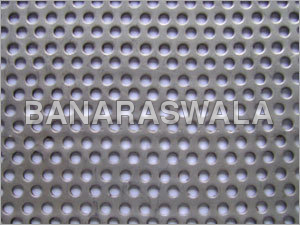
Tell us about your requirement

Price:
Quantity
Select Unit
- 50
- 100
- 200
- 250
- 500
- 1000+
Additional detail
Mobile number
Email

More Products in Perforated Metal Sheet Category
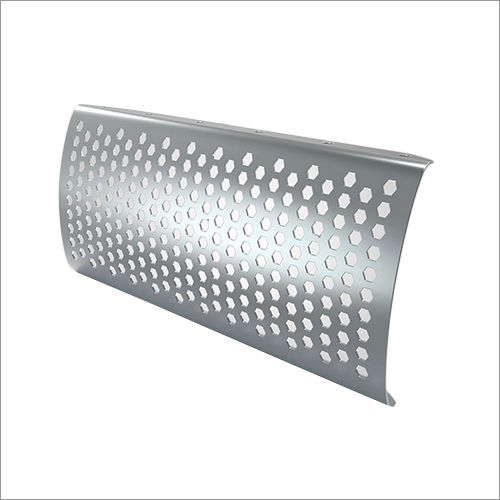
Steel Perforated Sheet
Price 120 INR / Kilograms
Minimum Order Quantity : 100 Kilograms
Surface Treatment : Other , Galvanized / Polished / Powder Coated
Technique : Perforated
Application : Filtration, Screening, Ventilation, Architectural decoration, Machine Guarding
Temper : Hard, SemiHard
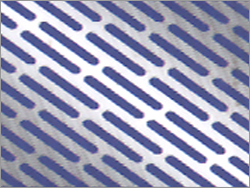
Perforated Metal Sheet
Price 1450 INR / Kilograms
Minimum Order Quantity : 100 Kilograms
Surface Treatment : Other , Galvanized, Powder Coated, Polished
Technique : Perforated
Application : Construction, Industrial, Decoration, Fencing, Ventilation, Filtration, Architectural Projects
Temper : Hard, Half Hard, Soft
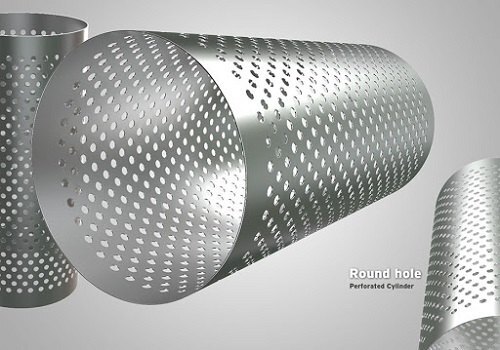
Round Hole Perforated Cylinder Sheet
Minimum Order Quantity : 100 Kilograms
Surface Treatment : Other , Polished
Technique : Perforated
Application : Filtration, Sieving, Architectural Screening, Industrial Equipment
Temper : Hard
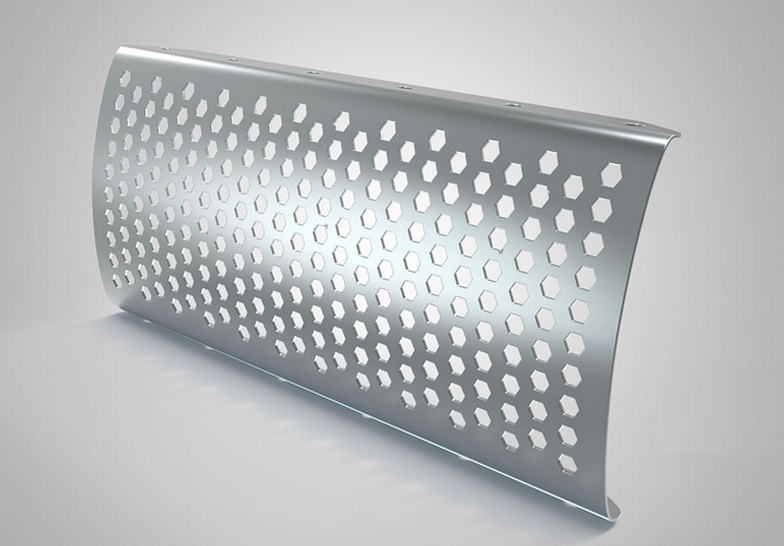
GI Perforated Sheet
Minimum Order Quantity : 100 Kilograms
Surface Treatment : Galvanized
Technique : Cold Rolled
Application : Industrial Flooring, Filters, Architectural Design, Security Screening, Air & Light Diffusion
Temper : Soft, SemiHard

GST : 29AAICB2882N1Z0
B No. - 20, Nandagokula Indl. Layout, Near Manjushree Garments, Thigalarapalya Main Road, Bengaluru - 560058, Karnataka, India
Phone :07315127394

 Send Inquiry
- Chain Link Fence
- GI Barbed Wire
- MS And Aluminum Perforated Sheets
- Carbon Steel Sheets
- Perforated Sheet
- Stainless Steel Perforated Sheets
- Perforated Metal Sheet
- Barbed Wire
- Crimped Mesh
- Expanded Metal Mesh
- GI Wire Mesh
- Mosquito Mesh
- Mosquito Net
- Stainless Steel Wire Mesh
- Welded Wire Mesh
- Wire Mesh
- Stainless Steel Vibrating Screen Cloth
- Stone Crusher Screen
- Fibre Mesh
- Vibrating Screen
- PVC Fencing
- Vibrating Wire Mesh Screen
- Stone Crusher Wiremesh Screen
- Brass Wire Mesh
- Expanded Metal
- Demister Pads
- Woven Wire Mesh
- Vibrating Screen Mesh
 Send Inquiry
 Call Me Free
Banaraswala Wire Crafts Pvt Ltd
All Rights Reserved.(Terms of Use)
Developed and Managed by Infocom Network Private Limited.
Developed and Managed by Infocom Network Private Limited.

